The Top 5 Artists That Inspire Me

As a graphic designer, it can be hard to come up with ideas. Sometimes, you may experience a creative block or get burned out of ideas. In that case, finding inspiration can help. Life and the work of others can help open your mind to new opportunities. Take a break and use resources to help restart your creative juices. Here are my top 5 artists that I look to for inspiration:

5 Artists That Inspire Me

1 – Frida Kahlo

Frida Kahlo is a Mexican born artist who was married to Mexican muralist, Diego Rivera. She began painting while in recovery from a tragic bus accident, as explained by biography.com. I am inspired by Frida Kahlo’s story more than her physical artworks. The way she captures her physical and emotional pain is stunning. For example, soon after Frida’s divorce from Diego Rivera, she painted a self-portrait titled The Two Frida’s (1939). It is believed that the painting was about an imaginary friend, but actually that it depicted Frida’s loneliness caused by heartbreak.

“I paint self-portraits because I am the person I know best” 

(FridaKahlo.org, Frida Kahlo Quotes)

The best way to be inspired is from personal experience. She suffered through many health complications and spent a lot of time in bed. Being in bed allowed her time to create a plethora of self-portraits. She became a talented and respectable artist. No matter what challenges you face, you can turn it into something beneficial.

2 – Vincent Van Gogh

If you are not already familiar with Vincent Van Gogh, you may be familiar with his painting of Starry Night (1889). This artwork, as perceived by Van Gogh Gallery, “is one of the most recognized pieces of art in the world.” During his time alive, he only sold one painting, as stated by live about. I appreciate his ability and motivation to continue his paintings despite the public viewpoint. 

“If you hear a voice within you say you cannot paint, then by all means paint and that voice will be silenced”

– (good reads, Vincent Van Gogh Quotes)

He painted what he saw rather than trying to match perfectly. He was an impressionist painter. It also was revealed that one of his paintings, Patch of Grass (1887), has an image of a woman hidden underneath as described by Live Science. This discovery inspires me to reuse canvases to create new artworks.

3 – Andy Warhol

Biography.com describes Andy Warhol as a well-known magazine and ad illustrator that helped lead the 1960s pop art movement. His specialties were screen-printing, photography, and painting. You may be familiar with his screen printing of Marilyn Monroe or his artwork of Campbell’s Soup Cans. He also branched out into other mediums of television and writing. 

“You have to do stuff that average people don’t understand because those are the only good things”

– (good reads, Andy Warhol Quotes)

Andy Warhol was an eccentric man that pushed boundaries in the art field. If you ever feel stuck in one medium, try another. There are many ways to be expressive through experimentation. It may lead you to a new interest or skill.

4 – Ban.do

Master artists do not have to be your only source of inspiration. Ban.do is an online store that sells products to support mental health and spread happiness. What draws me to them is their art style. Their website, products, and overall message are what inspire me to create. I first discovered them at a boutique. I purchased one of their water bottles and instantly fell in love with their brand when I looked them up. You can buy desk accessories, clothing items, and self-care products. Their theme is cohesive and sends out positive vibes.

If you are designing a website, it is helpful to research similar brands to understand what your audience is expecting. If you ever find yourself needing a mood lift, I suggest browsing around sites like Ban.do to inspire your next project.

5 – My Peers

You probably want to be around people who have similar interests to yours. After being on Instagram for some time, I have found other artists that have similar styles to mine that led me to a friendly community of like-minded creators. People you went to school with may have a developed art style that you may find interesting. Supporting and networking with your peers can spark new relationships and ideas. Follow whatever keeps you creative. 
How Does Image Resolution Work?

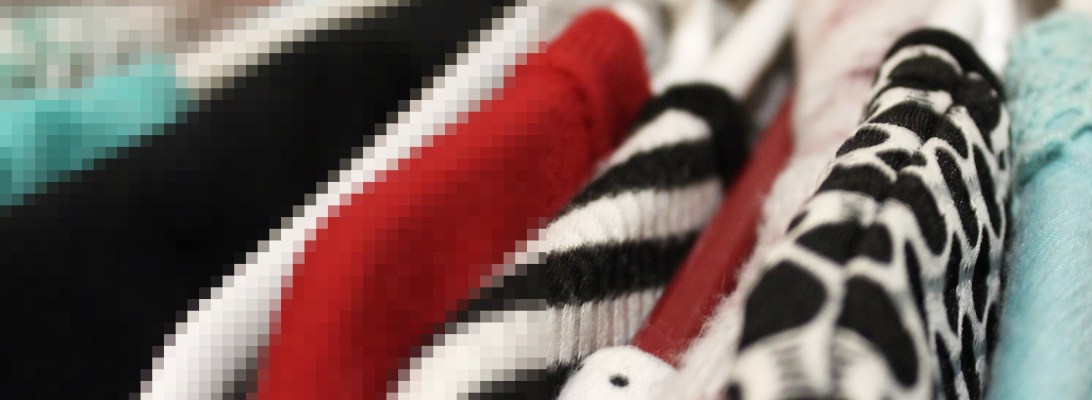
Image Resolution Example

Many times, a client may send small Jpegs or ask for an image from the internet. As designers, we know how necessary image resolution is for large prints. A low-quality image may harm the credibility of the client, and if it is pixelated, it may lose detail. Let’s delve into what image resolution means.

What Does Image Resolution Mean?

Image resolution can refer to photography or digital artworks. The image resolution refers to pixels per inch (PPI) or dots per inch (DPI). PPI or DPI is the number of pixels or dots that are present per inch of the image. The higher the resolution, the more information is available, allowing for crisp imagery. Low resolution will result in a pixelated look when stretched out, not what you want.

The Difference Between DPI And PPI

DPI and PPI may be confusing to comprehend at first as they seem so similar and sometimes used interchangeably. The fact is, one is referred to as web-resolution while the other relates to physical printing resolution. 

DPI

Dots per inch refers to the actual dots that are created by the printer to produce an image. A printer overlays CMYK colored dots to color the image. DPI is only relevant when printing, as your monitor will not be able to show a difference between 100DPI and 300DPI. However, some designs may be cross-platform. For instance, when a logo is on a website and a brochure, it is essential to keep a copy of the logo file that has a high DPI for this reason.

PPI

Pixels per inch refers to web resolution. The more pixels per inch, the more details appear on the screen. Two screens can have the same web resolution, but different dimensions. For instance, if the larger screen has a high resolution, it can fit more elements within it. A large screen can make the image appear smaller but also crisper in quality. The smaller screen will have the same crispness but with fewer elements on the screen, letting them appear larger.

Can You Adjust The Resolution Of An Image?

You may have found the perfect imagery for your upcoming project, but the resolution isn’t the size that’s required. You could increase the resolution of the image within Photoshop, but that could harm the quality. You can always make an image smaller and keep the same sharpness. When enlarging the PPI, you are stretching the image to the point where the computer has to invent new pixels. It can result in a low-quality image resolution. The best solution for this is to retake the photo at a higher resolution.

What Does A Graphic Designer Really Do?

A Graphic Designer is so much more than someone who creates visuals. If you are a Graphic Designer, you may have heard your peers say things to make you question if finding a job will be easy.

Well, I am here to say that, no, it is not that easy. It is challenging to find the perfect position, but it comes from drive and passion.

The Break Down

Clients

Before designing anything, a graphic designer must master the art of communication with the client. A designer needs to know the right questions to ask to build rapport and understand the tasks at hand:

  • Prepare questions
  • Get to know the client/company
  • Project specifics
  • Timeline
  • Budget

Some will want to meet in person while others will meet over a video chat or phone call. It is essential to be flexible and research the client and company before the scheduled meeting. This way, you are prepared ahead of time.

Research

Alright, so you met with your client and have taken all the notes you need to start. For example, your task is to redesign a new logo for a sustainable clothing brand. As a designer, you know how important it is for the brand to match the message as well as follow the trends to keep it relevant.

You may want to start by looking at similar companies and researching for keywords like sustainable and ethical clothing. Take notes about the fonts, colors, language, imagery, and maybe a Venn diagram to compare. With this research, you will become more knowledgable of your expectations.

Visual Communication

Time for the creative juices to start flowing. Based on your internal and external research, it is time to start doing your magic. Sketch out different logo options. It is always a good thing to think outside the box and not fall into cliché logos.

Think about the font, what will represent the brand’s voice? Slice it, mold it, round it, and make it feel like the brand. When designing a logo, be sure to pair the wordmark with a visual icon. Think about the keywords you wrote down earlier. If it is sustainable, what objects come to mind? Most sustainable brands include a plant icon, so maybe something different would help the brand be recognizable and stand out from the rest.

Now that you have a wordmark and visual, time to put them together. Make sure that the logo has a black and white version and is recognizable from a distance. A good rule of thumb is to give the client at least three different choices of logo designs. This way, they are not overwhelmed while still having options.

Graphic Design Makes A Difference

You have made the changes and turned in your final logo design. It can be fulfilling to have your project completed. Knowing that you helped solve a problem for a client and made their dreams a reality is one of the reasons I chose to be in the field.

Some projects may be more difficult than others, but once it is out in the real world, it feels like making a difference for someone. Graphic design takes drive and passion. It is not just art; it is communication, which is everywhere.